San Bruno highlight
Residential character
San Bruno has 43,908 residents across neighborhoods that blend single-family homes and apartment complexes, shaped by post-World War II expansion and ongoing development.
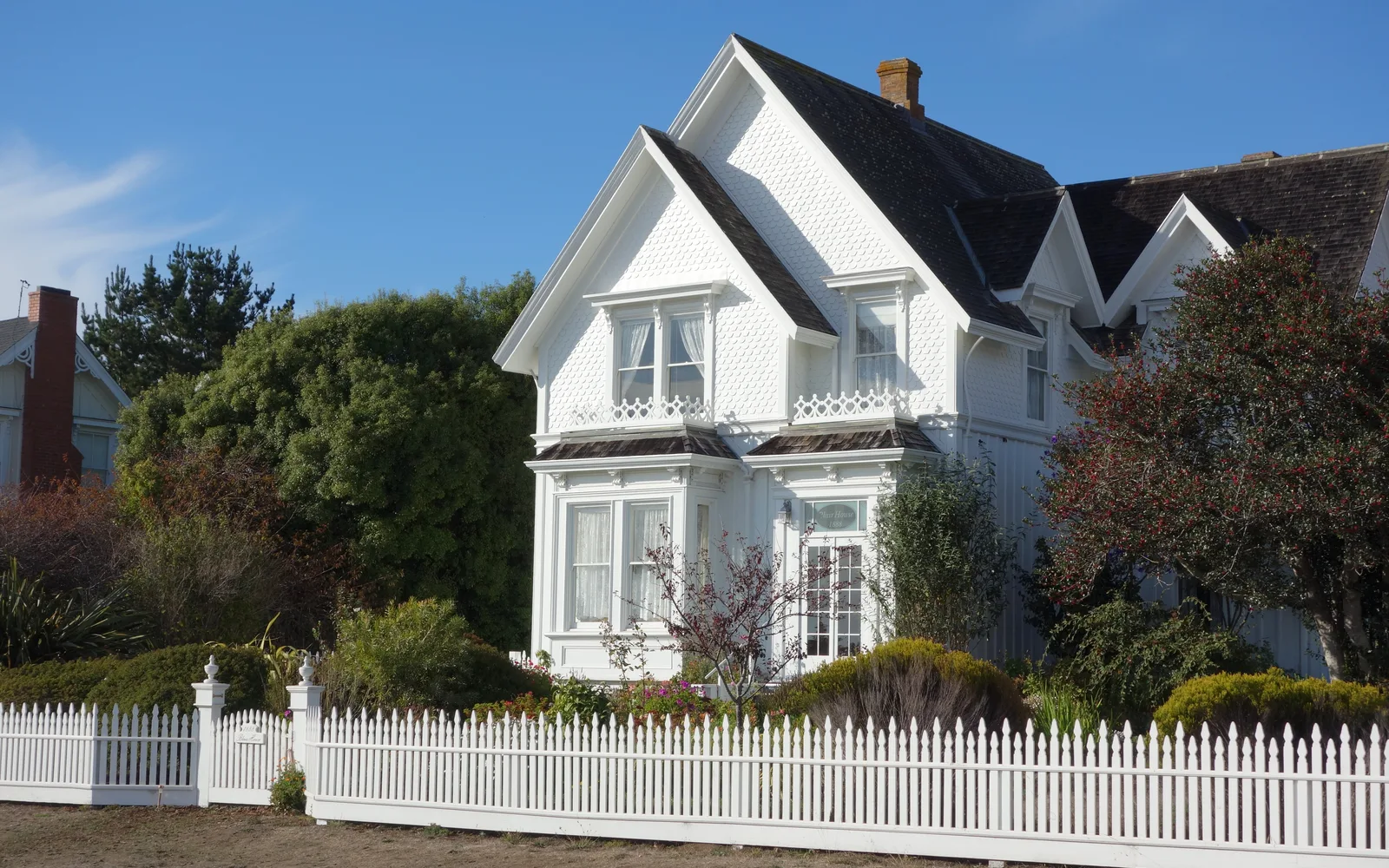
San Bruno's residential landscape was transformed in the 1940s and 1950s when returning servicemen and their families chose the Peninsula for its proximity to jobs, transit, and affordable housing. The population nearly doubled from roughly 6,500 in 1940 to over 35,000 by the mid-1960s. That growth carved out the neighborhoods San Bruno residents live in today: Portola Highlands and Pacific Heights on the west, Monte Verde and Rolling Wood in the center, and neighborhoods like Bel Air with single-story homes around a thousand square feet each, mixed with larger apartment complexes that house young families and early-career residents.
Today San Bruno's 43,908 residents live across more than 5,600 housing units in neighborhoods that reflect different stages of life. Nearly sixty percent are single-family detached homes; thirty percent are apartment buildings ranging from small duplexes to larger complexes. The result is a city where a first apartment in a new building, a starter home in Bel Air, a growing family's house in San Bruno Park, and a retirement downsizing all fit into the same few miles. That diversity is San Bruno's character.
When a household's stage of life changes—from renting to buying, from two incomes to one, from young couple to parents—the insurance needs change with it. A first policy covers an early mortgage; a larger one arrives with children; a refined one later on covers just what still matters. Because the stages overlap and shift, the time to compare rates across carriers is whenever a major decision comes up, not when you think you might need insurance someday.